As 300,000 public sector workers were on strike here yesterday, the 14th October was a National Day of Action in Colombia opposing the new government's policies that affect rights of the people - and in defence of gains made under previous President Petro. The day of action was in defence of the minimum wage, against the privatisation of education, against the counter-terrorism statute which threatens the basis of Colombian democracy, and against the defunding of the peace process.
The CUT Colombia (our sister trade union centre) called the day of action and was supported by the Historic Pact as well as many other social movements and organisations.
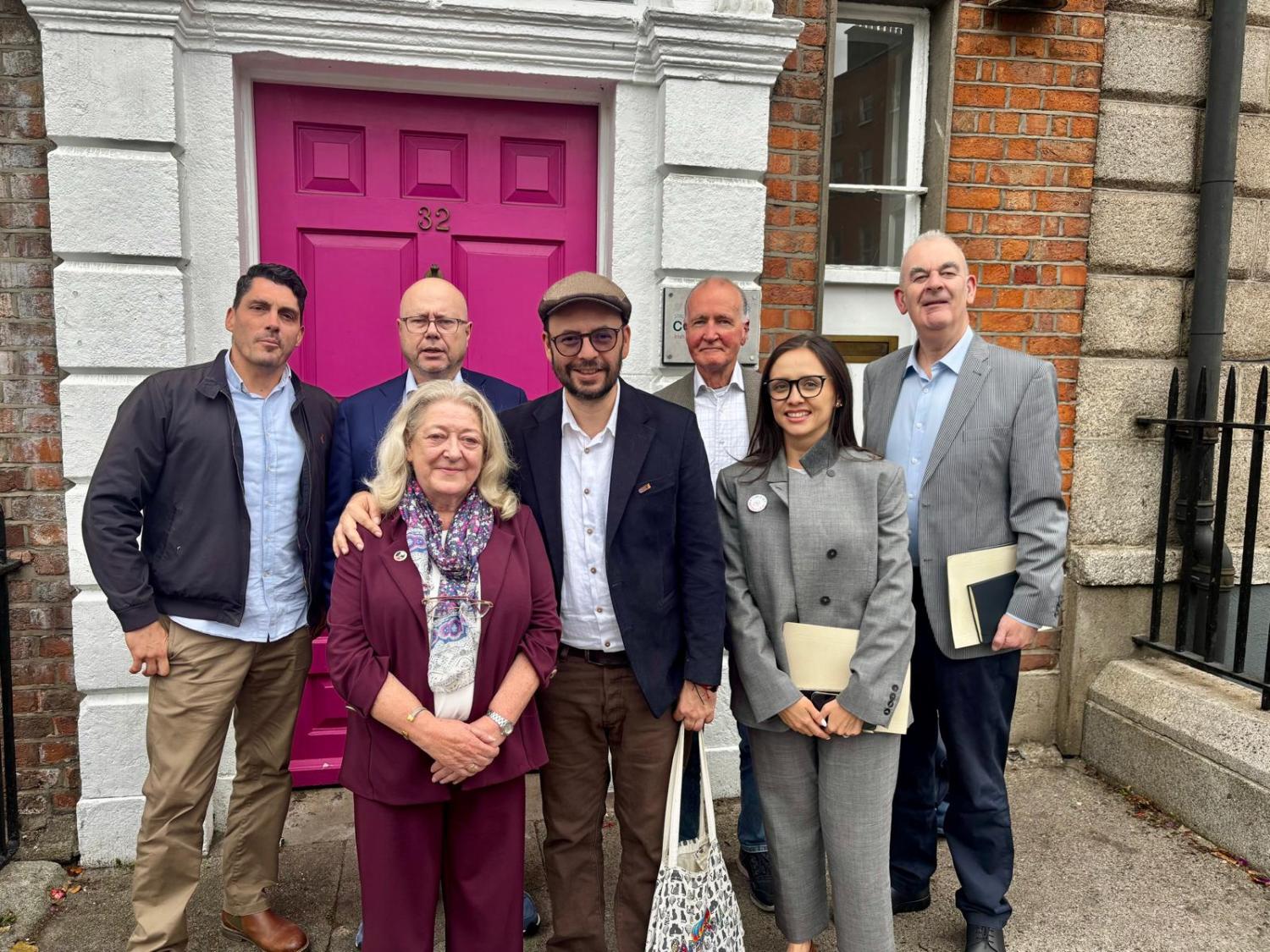
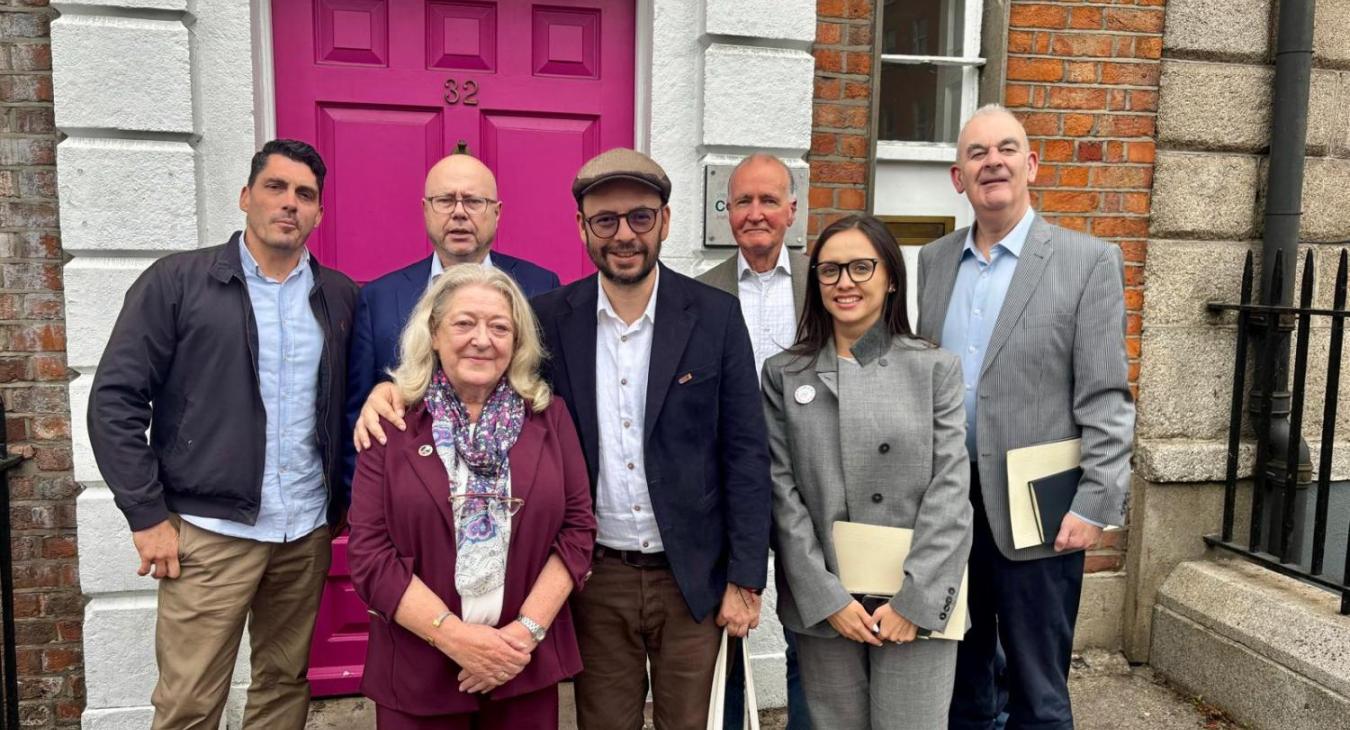
We recently met with Justice for Colombia and Congressman Gabriel Becerra (a member of the national leadership of the Historic Pact, the largest party in Colombia's Congress) and subsequently produced this declaration of solidarity:
Colombian civil society and trade unions are deeply concerned at the new De la Espriella government’s policy towards peace. The 2016 Peace Agreement is widely acknowledged to be crucial to the future development and progress of Colombia, as its points enable the resolution of the deep-rooted structural causes of conflict.
The components of the Peace Agreement are all inter-related, but there are two areas that are central to peace. The first is the transitional justice framework known as the Special Jurisdiction for Peace (JEP). This framework is vital in that it provides justice, truth, reparation and by doing so contributes to non-repetition. Its sentences create legal certainty for all those who participated in the conflict, whether in the military or the former FARC. The work of the JEP is crucial to the rights of Colombia’s many victims, and its sentences have been welcomed across the international community.
The second is the integral rural reform that is intended to transform the Colombian countryside, reverse the damage done by the conflict, and eradicate poverty, promote equality and by doing so eliminate the structural causes of violence. The land reform focuses on formalising and redistributing land to campesino (peasant) families, providing infrastructure investment and participatory planning that provide for development, environmental sustainability and food production.
However, the new De la Espriella government has been critical and downright scornful of the JEP, referring to it as a ‘system of impunity’, and is now trying to cut its budget, while also threatening to halt the land reform process.
In its 2027 budget proposals the government wants to cut the budget allocated to the JEP and the transitional justice system by some $170 billion Colombian pesos. The budget of the National Reincorporation Agency (ARN) that helps former combatants reintegrate into civilian life will be cut by 37%. These cuts amount to the financial strangulation of these key institutions of the peace.
Moreover, the government has also threatened to halt the process of land distribution, which threatens the agrarian reform. The new government has abandoned remaining peace talks with armed groups and has increased the frequency of military operations and bombardments. This has already taken a toll of civilian lives. In an indication of its hostility to the rural campesino community, it has even issued instructions to stop using the word ‘campesino’, which is present throughout the peace agreement, as it describes not just an activity, but also a community with a distinct culture and worldview. This is a marker of the government’s hostility to rural Colombia.
Most recently the government has also introduced a counter-terror statute that would allow an extremely broad definition of terrorism and create a ‘terrorist list’ of individuals and organisations. The opposition is deeply concerned that it would be used to silence criticism and be a prelude to widespread repression.
Furthermore, the government has been markedly hostile to the leaders of the former FARC who are currently serving sentences under the JEP. De la Espriella has threatened to imprison Rodrigo Londoño and has referred to the leaders of Comunes as ‘swamp vegetation’. These statements are deeply worrying at a time when threats and killings of signatories to the Peace Agreement are increasing. Such statements have led the UN human rights office in Colombia to call on the government to end stigmatisation and hate speech against human rights defenders.
The government’s measures therefore threaten irreparable damage to peace in Colombia and will severely affect the rights of victims and civil society.
In the name of peace and human rights we therefore urge the Colombian government to:
• reverse the budget cuts to the JEP and the institutions of the 2016 Peace Agreement.
• to put peace and the rights of victims and civil society at the centre of its agenda by implementing the agreement in full.
• provide security guarantees and end the stigmatisation of political opponents and signatories to the peace agreement.
• halt its efforts to introduce a counter-terrorism statute that would criminalise political and social opposition.