The Irish Congress of Trade Unions (ICTU) has today (4 March) warned that the Private Wires Bill poses significant risks to household bills and Ireland’s climate targets.
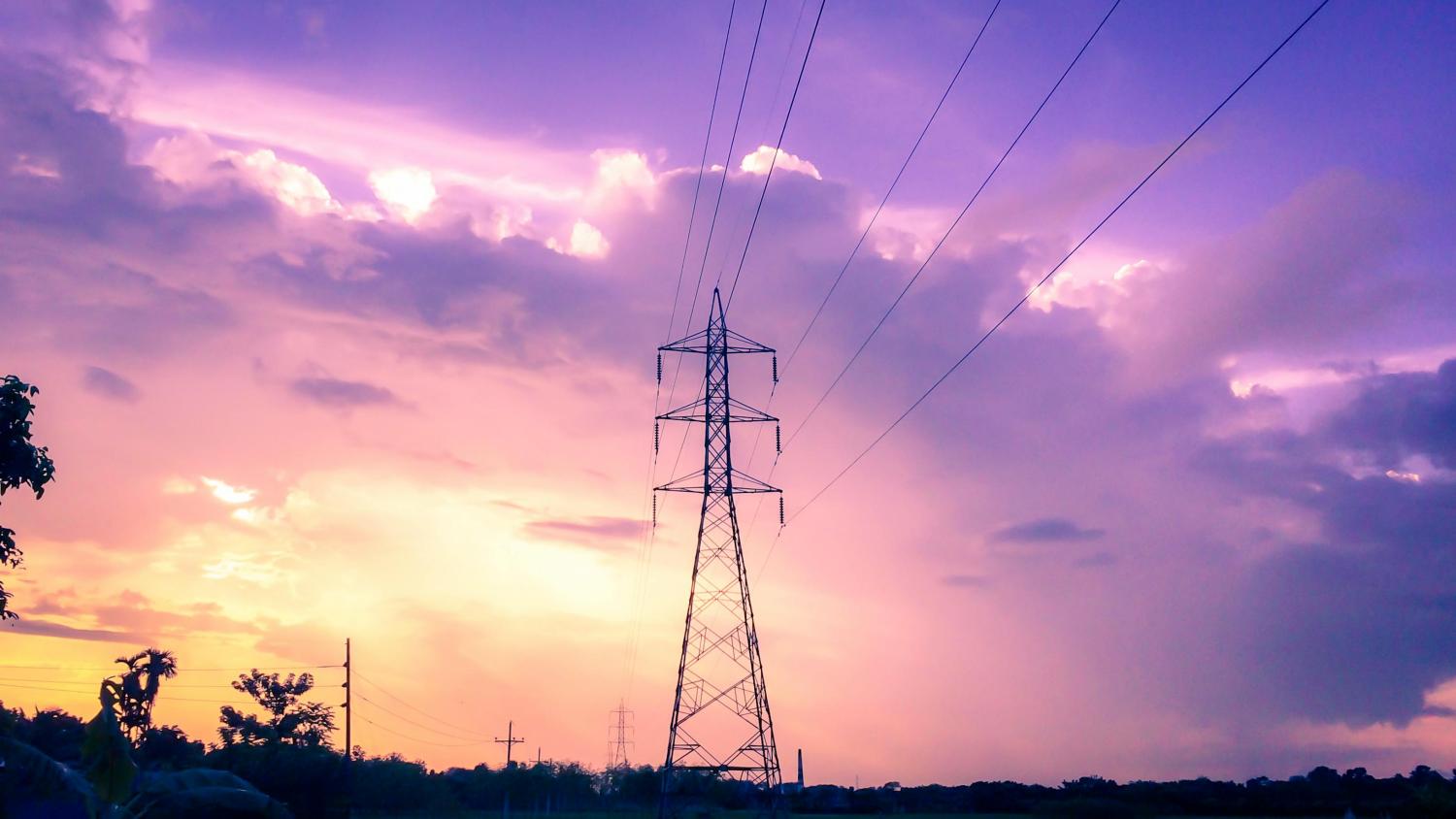
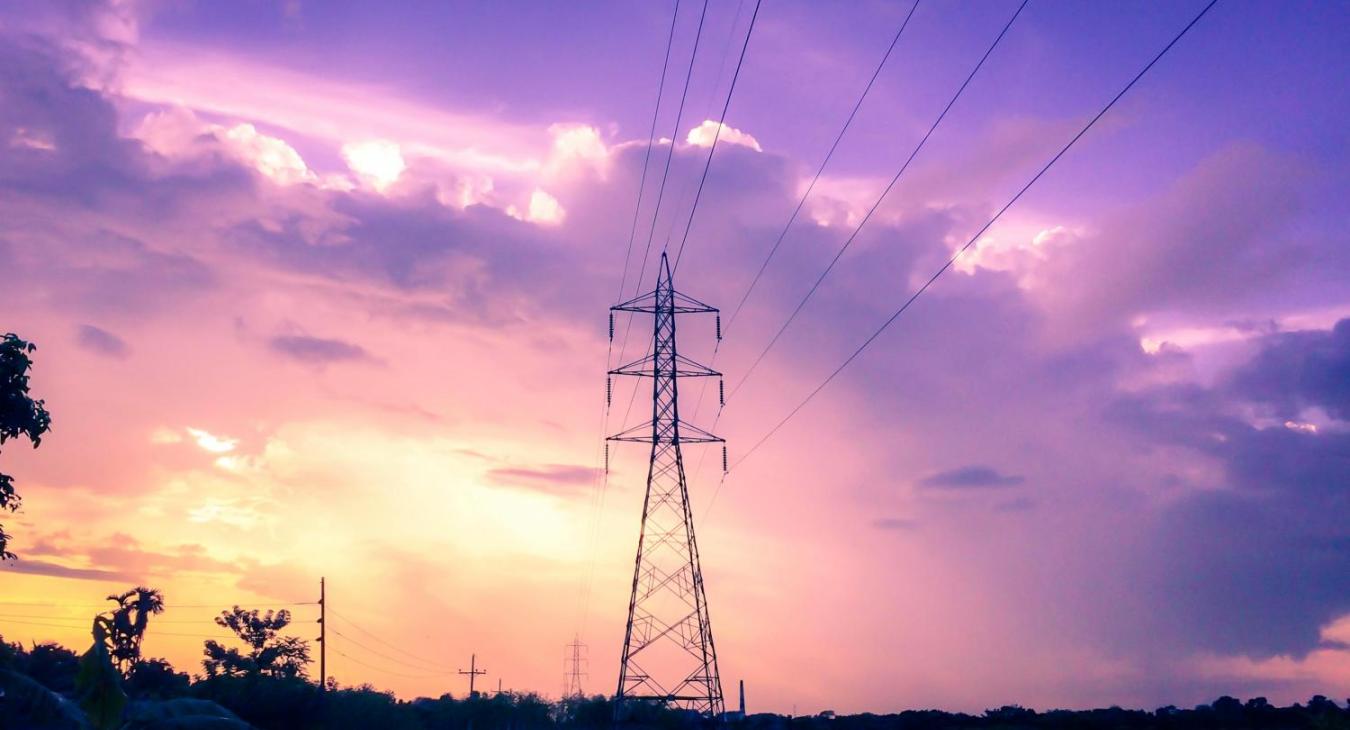
The Bill, which currently before the Oireachtas, would allow private companies, including large energy users like data centres, connect to electricity outside the public network.
ICTU says this is effectively “jumping the queue”, with Irish taxpayers and climate targets paying the price.
Representing workers across ESB, EirGrid, and Bord na Móna at the Oireachtas Natural Resources Committee, ICTU Campaigns Officer Paul Gavan said that allowing large commercial entities to bypass the public grid via private electricity lines creates a "two-tier system" that favours big tech and heavy industry at the expense of the public interest.
This would allow them to avoid paying their share of the fixed costs that keep the national grid running - costs that would instead fall on homes and small businesses.
In addition, the Bill does not require private wires to be used for renewable energy, which means data centres and other major consumers could connect via private infrastructure without contributing to the country's decarbonisation efforts.
Ireland is already projected to miss up to half of its legally binding 2030 emissions reduction targets, and would face major fines from the EU if it does so.
Paul Gavan, Campaigns Officer, said:
“We have an energy grid that is need of a significant overhaul, but allowing private companies like data centres to jump the queue is not the way to do it. It would allow those companies dodge climate action, and potentially do so at a cost to Irish taxpayers.
“Ireland is already on course to miss its legally binding 2030 emissions targets. It is essential that every energy investment clearly contributes to decarbonisation. The Bill does not require private wires to be used for renewable generation, nor does it ensure that electricity supplied through them will displace fossil fuel use.
“This risks enabling new large loads like data centres to connect outside the public network without contributing meaningfully to emissions reduction, all the while costing Irish taxpayers money.
“For nearly a century, Ireland has benefited from a single, publicly owned electricity network that ensures common standards, system-wide planning, safety oversight, and equitable access. Yet this Bill opens the door to the privatisation of parts of our networks, for little to no gain.
“Generations of workers and taxpayers built the public network; we should not dismantle its advantages for the benefit of small number of very large commercial actors.”